
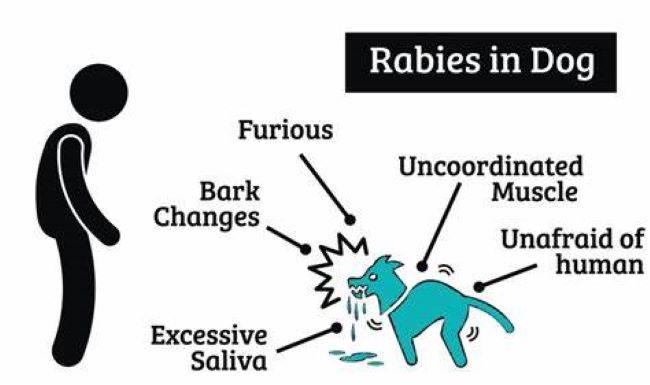
Wild and domestic animals have the potential to carry rabies which can be passed on to humans by the bite or saliva of an infected animal. Rabies is a deadly viral infection that affects the nervous system of humans if not treated quickly after exposure. Rabies should be suspected in all animals that show a sudden change in behavior that is different from normal, such as animals normally active at night being seen during the day.
Be alert when around wild animals and do not approach them. Baby animals such as raccoons or opossums may be cute but should never be touched or handled. Bats are important bug eaters in Nebraska but are also a common carrier of rabies. Bats should always be treated with caution, especially if they need to be removed from human spaces. Trap and remove bats using containers and thick gloves to make sure there is no direct contact or contact a professional to remove them.
- Rabies is a viral disease that is deadly in people if medical care is not received before symptoms start.
- Rabies is spread to humans and pets primarily through bites or scratches from an infected animal.
- Rabies control measures in the United States have significantly reduced rabies as a public health threat.
- Each year 60,000 Americans receive medical care following a potential rabies exposure.
If you believe you had contact with a bat or other sick animal, contact your healthcare provider or the public health nurses at 308-345-4223 for more information and instructions.
The best way you can prevent rabies is by:
- Making sure your pets are up-to-date on their rabies vaccines;
- Keeping wildlife wild - stay away from wildlife for both human and animal safety;
- Calling animal control to remove stray animals from your neighborhood;
- Washing bites or scratches immediately with soap and water; and
- Seeking medical care shortly after potential exposures.
Bat Safety
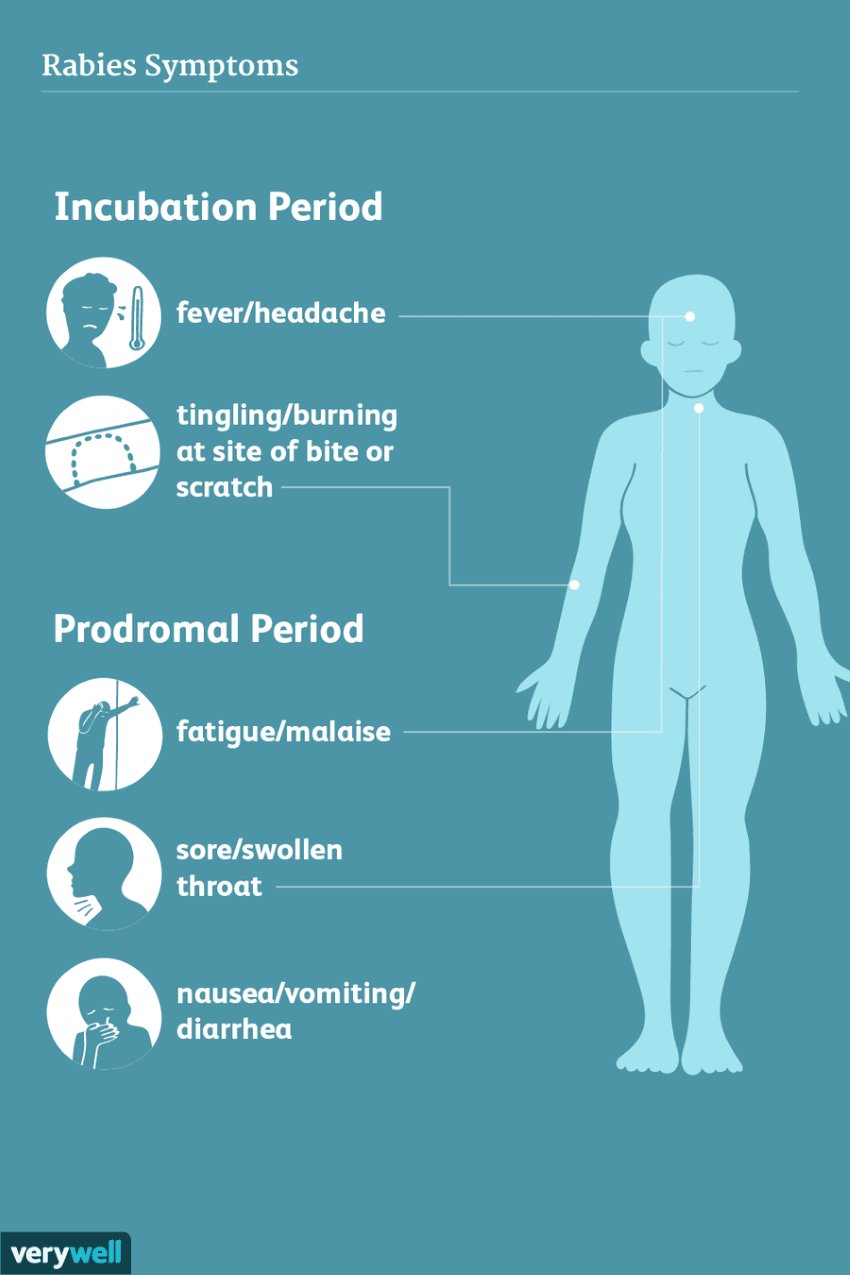
If you find a bat in your house, use caution. Bat bites can be very tiny and difficult to see so if you think you have been bitten or scratched by a bat, wash the area with soap and water right away and seek medical attention. If you or your family members wake up with a bat in the room where you were sleeping, the bat should be tested for rabies if possible because it can be hard to tell if you had contact with a bat while sleeping.
If you need to capture a bat:
- Find a container like a box or jar large enough for the bat to fit in.
- Find a piece of cardboard large enough to cover the opening of the container.
- Punch small air holes in the cardboard.
- Put on leather work gloves.
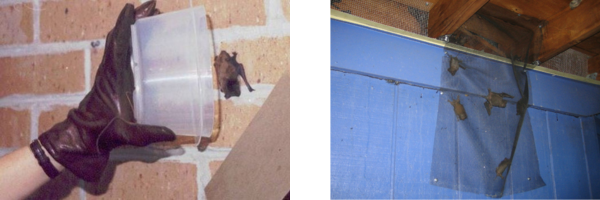
- When the bat lands, approach it slowly and put the container over the top of it.
- Slide the cardboard under the container to trap the bat inside.
- Tape the cardboard onto the container to secure the bat inside.
- Contact your local vet to have the bat tested for rabies.
If you have bats roosting in your house:
- At dusk, go outside and watch to see where they are exiting the house.
- Loosely hang bird netting or plastic sheeting over the exit hole(s). This allows bats to exit but keeps them from returning.
- Once all the bats have exited, seal the opening(s).
Preventing bats from getting into your house:
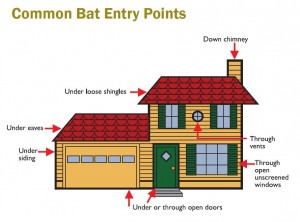
- Check for any openings that bats could use to get inside. Bats can fit though very small openings, as small as the end of your pinkie finger (a quarter of an inch).
- Use caulk to seal any openings larger than a dime.
- Use screens, chimney caps, and draft guards to seal attic doors.
- Be sure to fill any electrical and plumbing holes with steel wool or caulk.
- Ensure all doors and windows close tightly. Try to keep doors closed during evening hours and use screens on all open doors and windows.