

The Importance of Handwashing
Did you know that one of the easiest ways to protect yourself and others from illness is also one of the simplest? Handwashing!
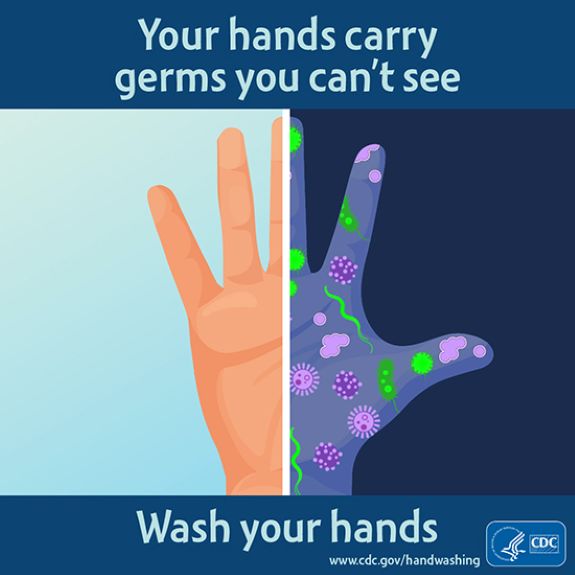
Proper handwashing helps stop the spread of germs that cause colds, flu, stomach bugs, and other illnesses. In fact, many infections are spread because people don't wash their hands often enough—or long enough.
When Should You Wash Your Hands?
✅ Before preparing or eating food
✅ After using the restroom
✅ After coughing, sneezing, or blowing your nose
✅ Before and after caring for someone who is sick
✅ After handling animals or pet waste
✅ After taking out the trash
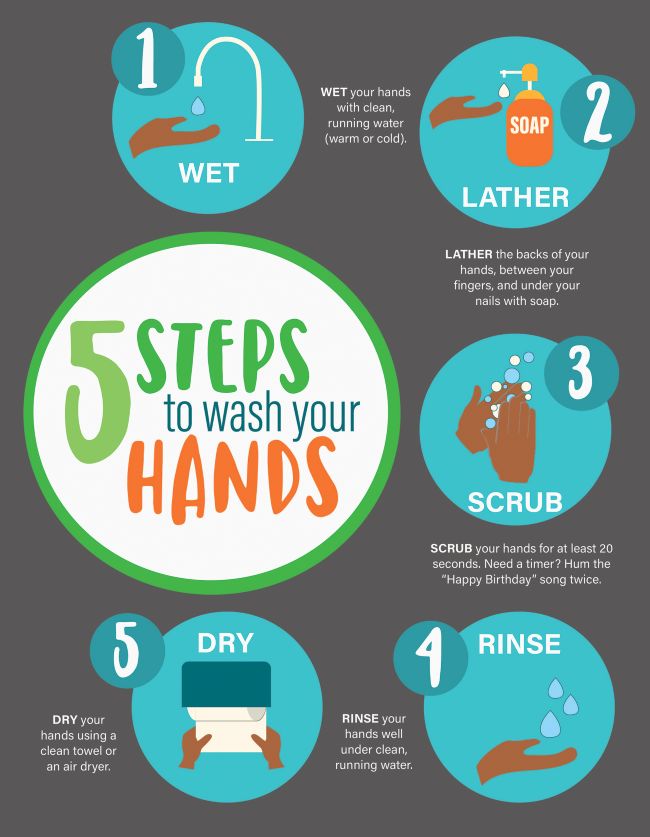
The Right Way to Wash
- Wet hands with clean water and apply soap.
- Lather all surfaces, including between fingers and under nails.
- Scrub for at least 20 seconds.
- Rinse thoroughly.
- Dry with a clean towel.
No soap and water nearby? Use a hand sanitizer with at least 60% alcohol.
Why It Matters
Handwashing is a small habit that makes a big difference. By taking a few extra seconds to wash your hands, you help protect your family, coworkers, classmates, and community from the spread of illness.
Remember: Clean hands save sick days!